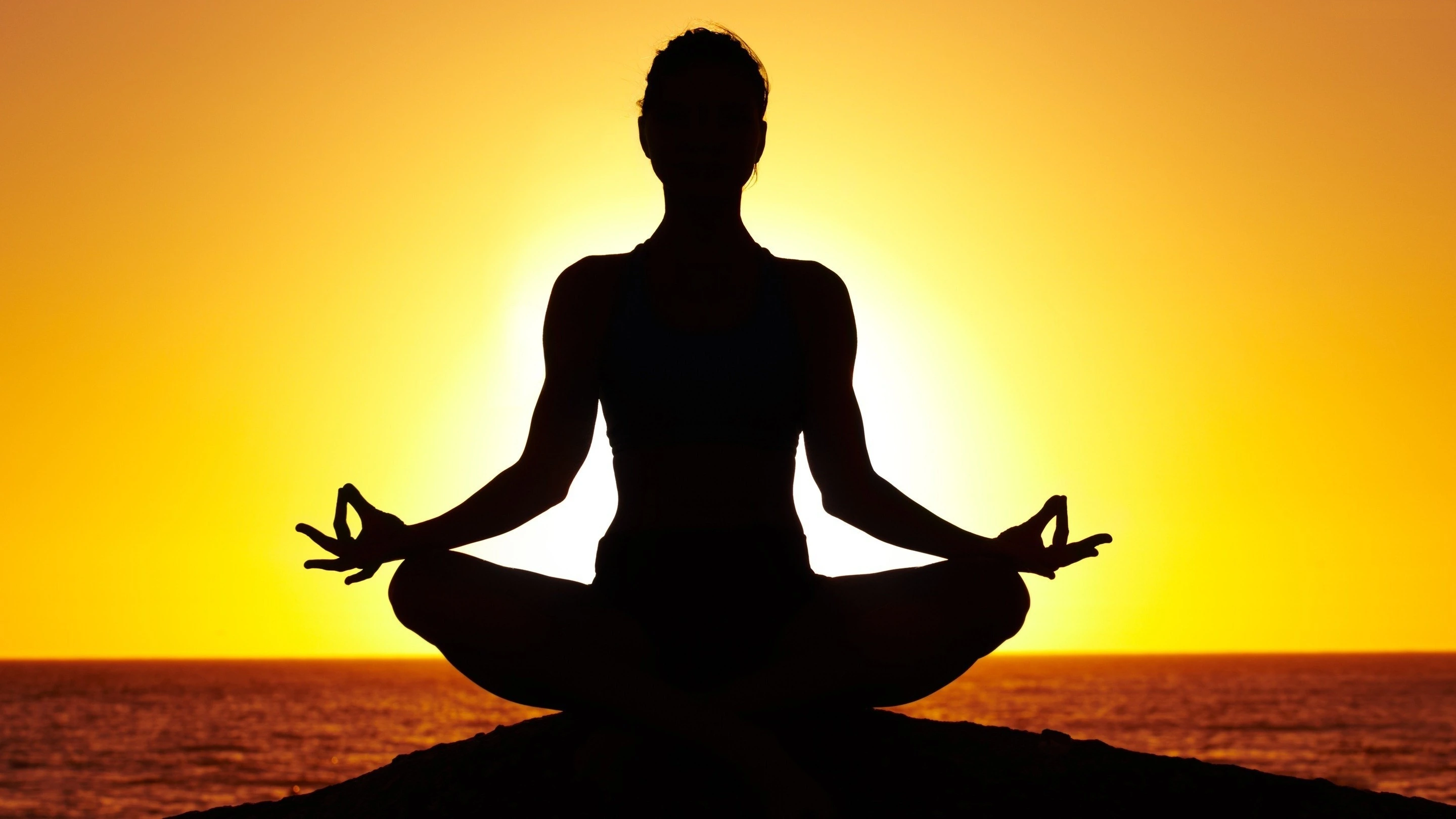
Why Meditation Matters
In our fast-paced modern world, meditation offers a sanctuary of peace and clarity. This ancient practice has been proven to reduce stress, improve focus, enhance emotional well-being, and promote overall health. The best part? Anyone can meditate, regardless of age, belief system, or experience level.
Common Misconceptions About Meditation
Many people hesitate to meditate because they believe it requires:
- A completely empty mind (it doesn't)
- Special equipment or clothing (you just need a quiet space)
- Hours of practice (15 minutes is a great start)
- Religious or spiritual beliefs (meditation is for everyone)
Five Easy Meditation Techniques for Beginners
1. Breath Awareness Meditation
The simplest meditation technique. Simply sit quietly and focus on your natural breathing. When your mind wanders (and it will), gently bring your attention back to your breath. Start with 5-10 minutes daily.
2. Body Scan Meditation
Lie comfortably and mentally scan through your body from toes to head. Notice any sensations without judgment. This technique is excellent for relaxation and body awareness.
3. Guided Visualization
Use guided meditations to visualize peaceful scenes. Many free resources are available online. Following a guide's voice makes meditation easier for beginners.
4. Mantra Meditation
Repeat a positive affirmation or mantra silently or aloud. This gives your mind something to focus on and is highly effective for building confidence.
5. Walking Meditation
Meditation doesn't require sitting still. Walk slowly in nature or around your home, paying attention to each step and sensation.
Getting Started: A Beginner's Guide
- Find a quiet space: Choose a place where you won't be disturbed
- Set a timer: Start with just 5-10 minutes
- Get comfortable: Sit or lie in a relaxed position
- Choose your technique: Try different methods to find what resonates
- Be patient: Consistency matters more than duration
- Keep a journal: Track your experience and progress
Tips for Success
- Meditate at the same time each day to build habit
- Don't judge yourself or your meditation experience
- Expect your mind to wander; this is normal
- Use props like meditation cushions for comfort
- Consider using singing bowls to enhance your practice
- Join a meditation group for support and community
Overcoming Common Challenges
Challenge: "My mind won't stop thinking"
Solution: Thoughts are normal. Your job isn't to stop thinking but to not engage with the thoughts. Let them pass like clouds.
Challenge: "I don't have time to meditate"
Solution: Even 5 minutes makes a difference. Start small and gradually increase your practice duration.
Challenge: "I fall asleep during meditation"
Solution: Meditate at a time when you're naturally alert, sit upright, and keep your eyes slightly open.
The Long-Term Benefits
Regular meditation practice leads to lasting changes in your brain and well-being. After just a few weeks, you may notice improved sleep, reduced anxiety, better concentration, and greater emotional resilience. After months of consistent practice, these benefits become part of your baseline well-being.
Conclusion
Meditation is a gift you give yourself. It costs nothing, requires no equipment, and can be practiced anywhere. Start today with just five minutes, and discover the profound peace and clarity that meditation brings to your life.